
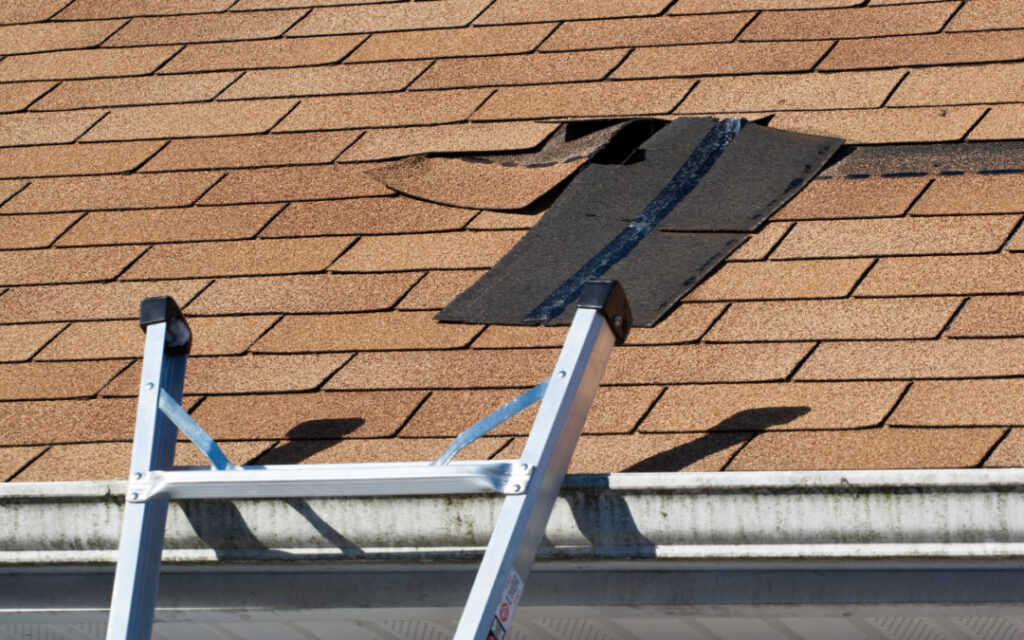
Here are 5 signs that indicate you need a new roof
1. Your roof is old
The average lifespan of a roof depends on the type of material, the quality of installation, and the weather conditions in your area. Generally, asphalt shingles last 15 to 25 years, metal roofs last 40 to 70 years, and tile or slate roofs last 50 to 100 years. If your roof is nearing or exceeding its expected lifespan, it may be time to consider a replacement.
2. Your roof is damaged
Roof damage can be caused by various factors, such as storms, hail, wind, fire, or falling debris. Some common signs of roof damage are missing, cracked, or curling shingles, sagging or buckling areas, leaks or water stains in your attic or ceiling, mold or mildew growth, and granules in your gutters or downspouts. If you notice any of these signs, you should have your roof inspected by a professional roofer as soon as possible.
3. Your roof is inefficient
A poorly insulated or ventilated roof can cause your home to lose heat in the winter and gain heat in the summer, resulting in higher energy bills and lower comfort levels. A new roof can improve your home’s energy efficiency by reducing heat transfer and enhancing air circulation. You can also choose roofing materials that reflect or absorb solar radiation, depending on your climate and preference.
4. Your roof is outdated
If you want to boost your home’s curb appeal and resale value, updating your roof can make a big difference. A new roof can enhance your home’s style and character, as well as complement its exterior design and color scheme. You can choose from a variety of roofing materials, colors, textures, and patterns to suit your personal taste and budget.
5. Your roof is under warranty
If your roof is still under warranty, you may be able to get a new roof for free or at a reduced cost. Most roofing manufacturers offer warranties that cover defects in materials or workmanship for a certain period of time. Some roofing contractors also offer warranties that cover installation errors or damages for a limited time. Check your warranty terms and conditions to see if you qualify for a replacement.
How to Get a New Roof
If you decide that you need a new roof, here are some steps to follow to make sure you get the most out of your budget:
Find a reputable roofing contractor
Choose your roofing material
Schedule your new roof installation
Inspect the new roof installation work
Enjoy your new roof
New Roof Installation FAQ
The Most Frequently Asked Questions that Homeowners Have When Dealing with a New Roof Installation
At BNS Roofing, we understand that our homeowners have solid questions regarding new roof installations. Here are some of the most frequently asked questions we receive, along with our expert answers to help you make informed decisions about your roofing needs.
The cost of a new roof varies widely based on the size of your home, the pitch of the roof, and the materials you choose. Asphalt shingles are typically the most cost-effective, while metal or slate roofs require a larger upfront investment but last longer. We provide fast, free estimates to give you an exact price for your specific property.
If your roof is relatively new and only has isolated damage (like a few missing shingles from high winds), a repair is usually sufficient. However, if the roof is nearing the end of its lifespan, has extensive leaking, or structural sagging, a full replacement is safer and more cost-effective in the long run.
High-quality asphalt shingle roofs generally last between 15 to 25 years. However, severe weather, poor ventilation, and the quality of the initial installation can shorten this lifespan. If your home is in an area that experiences harsh winters and heavy snow, regular inspections are crucial as it ages.
If your roof requires replacement due to sudden, unpreventable damage – such as a severe windstorm, hail, or fallen trees – your homeowner’s insurance may cover the cost. However, insurance typically does not cover replacement due to general wear and tear or age.
Yes. An outdated or poorly ventilated roof allows heated air to escape during the winter and UV rays to heat up your attic during the summer. A new roof with proper insulation and modern ventilation systems drastically improves energy efficiency, reducing your heating and cooling costs.
While spring and fall are the most popular seasons for roof replacements, professional roofers can successfully install a new roof during the winter months, if necessary. Special care is taken with asphalt shingles in freezing temperatures to ensure they adhere properly, and emergency winter replacements are common to prevent immediate water damage.
A small leak can quickly escalate into a massive, expensive problem. Even minor water intrusion can rot structural roof decking, damage attic insulation, cause interior ceiling stains, and lead to toxic mold and mildew growth.
Not necessarily, but they are a major red flag. A few missing shingles can often be patched. However, widespread curling, cracking, or bare spots where the granules have washed away usually indicate the shingles have reached the end of their useful life and the roof needs replacing.
Signs of poor attic ventilation include unusually high energy bills, a roof that is exceptionally hot to the touch in summer, frequent ice dams in the winter, and condensation or mold in the attic.
Always look for a contractor who is fully licensed, insured, and has a strong local reputation. Ask for proof of WSIB coverage and liability insurance, read their customer reviews, and ensure they provide a detailed, written estimate and a clear warranty for both materials and labor.
At BNS Roofing, we proudly provide all of the above.


